
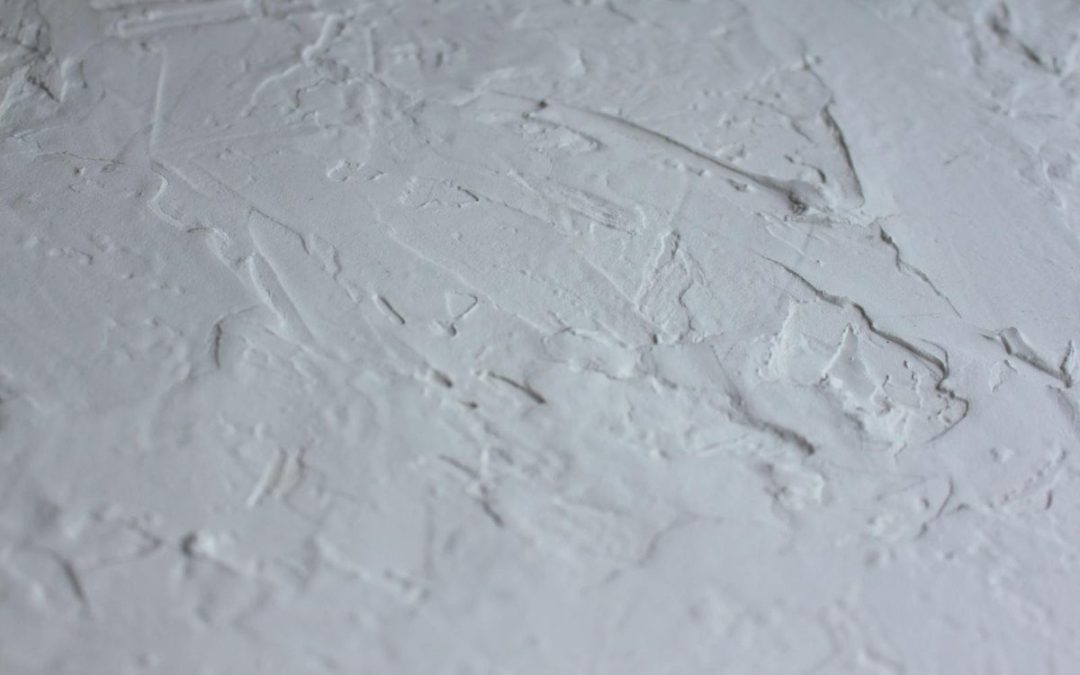
Choosing the right wall finish is one of the most consequential decisions in a luxury home, and the choice often comes down to Venetian plaster vs lime wash, with Roman clay sitting somewhere in between. These mineral finishes share a centuries-old lineage and a depth that ordinary paint cannot replicate, yet each behaves differently underfoot of the trowel and brush, ages differently, and belongs in different rooms. For homeowners along Palm Beach Island, Jupiter Island, and across Palm Beach County, where coastal humidity and discerning taste both make demands, understanding these distinctions is the difference between a finish that merely looks expensive and one that endures. This guide compares the three principal options in depth, with a brief look at Marmorino and microcement, so you can choose with confidence.
Composition: What These Finishes Are Made Of
The character of each finish begins with its ingredients. Venetian plaster is built from lime putty blended with finely milled marble dust. Applied in thin, hand-troweled layers and then burnished, it develops a dense, polished, marble-like sheen. Roman clay occupies the middle ground: a smooth, troweled mineral finish applied in one to two coats, producing a matte to low-sheen surface with soft tonal movement. Lime wash is the most elemental of the three, made from slaked lime and brushed onto the wall in thin coats, where it chemically bonds to the substrate to create a velvety, chalky matte.
Two relatives are worth noting. Marmorino, like Venetian plaster, combines lime and marble dust, but it is finished to a soft natural-stone texture rather than a high polish. Microcement departs from the lime family entirely; it is cement-based, seamless, and built for a contemporary, highly durable surface.
Look and Finish: The Venetian Plaster vs Lime Wash Question
This is where the Venetian plaster vs lime wash comparison becomes most vivid. Venetian plaster reads as solid, luminous stone. Burnishing draws light across the surface, lending walls a polished marble depth that feels architectural and formal. It is the finish for rooms that aspire to grandeur.
Lime wash sits at the opposite end of the spectrum. Its chalky, velvety matte produces gentle cloud-like variation and a soft, weathered patina that feels relaxed and timeless. It absorbs light rather than reflecting it, creating quiet, atmospheric rooms.
Roman clay bridges the two. With its matte to low-sheen surface and soft tonal depth, it offers more presence than lime wash and more restraint than polished Venetian plaster, an understated elegance that suits a wide range of interiors.
Durability and Breathability
Mineral finishes are prized not only for their beauty but for how they perform over time, which matters greatly in South Florida’s climate.
- Venetian plaster: Dense and, once sealed, water-resistant, making it the most robust of the lime-based options for surfaces that see contact or moisture.
- Marmorino: Breathable and naturally resistant to mold and mildew, an asset in humid coastal environments.
- Lime wash: Highly breathable. Because it bonds to the substrate, it allows walls to release moisture rather than trap it.
- Roman clay: A troweled mineral finish with a refined matte surface, well suited to interior walls and feature applications.
- Microcement: Very durable and seamless, engineered for high-traffic and contemporary settings.
Where Each Finish Shines in a Luxury Home
Matching the finish to the room is the heart of a successful project.
Venetian Plaster
Reserve its polished, marble-like sheen for spaces meant to impress: formal foyers, dining rooms, powder rooms, and statement walls. Its water resistance once sealed also makes it a candidate for refined wet areas.
Roman Clay
Its soft tonal depth and quiet sheen make it a versatile choice for living rooms, bedrooms, studies, and hallways where you want warmth and dimension without high gloss.
Lime Wash
The breathable, chalky matte of lime wash suits bedrooms, libraries, and any room where an aged, organic atmosphere is the goal. It pairs beautifully with natural materials and softens contemporary architecture.
Marmorino and Microcement
Choose Marmorino when you want stone-like texture with mold resistance, and microcement when a seamless, modern, hard-wearing surface is called for, on walls or beyond.
Maintenance: Living With the Finish
Maintenance again tracks the Venetian plaster vs lime wash distinction. Sealed Venetian plaster is dense and water-resistant, so it tolerates gentle cleaning and stands up well to everyday life. Lime wash, with its breathable matte character, asks for a lighter touch and embraces a softening, evolving patina over the years rather than resisting it. Roman clay’s troweled mineral surface falls comfortably between the two. Marmorino’s natural mold and mildew resistance eases upkeep in humid rooms, while microcement’s durability makes it among the most forgiving in active spaces.
How to Choose
If you want formal luminosity and the look of polished stone, choose Venetian plaster. If you want a relaxed, breathable, time-worn atmosphere, choose lime wash. If you want refined middle ground with soft depth and an easy disposition, Roman clay is the answer. For stone-like texture with coastal resilience, look to Marmorino; for seamless modern durability, microcement. The best decision always accounts for the room’s use, the home’s architecture, and the way light moves through the space.
Selecting and applying these finishes well is a craft, and the right hands make all the difference. If you are weighing these options for your own home, we would be glad to walk the rooms with you and help you choose. To request a consultation with Jerome Russo’s Quality Painting & Decorating, reach out at your convenience or call us at (561) 585-7506.
Bring This Level of Craft to Your Home
From a single signature room to an entire estate, Jerome Russo’s delivers finishes worthy of South Florida’s finest homes since 1976.
Request a Consultation