
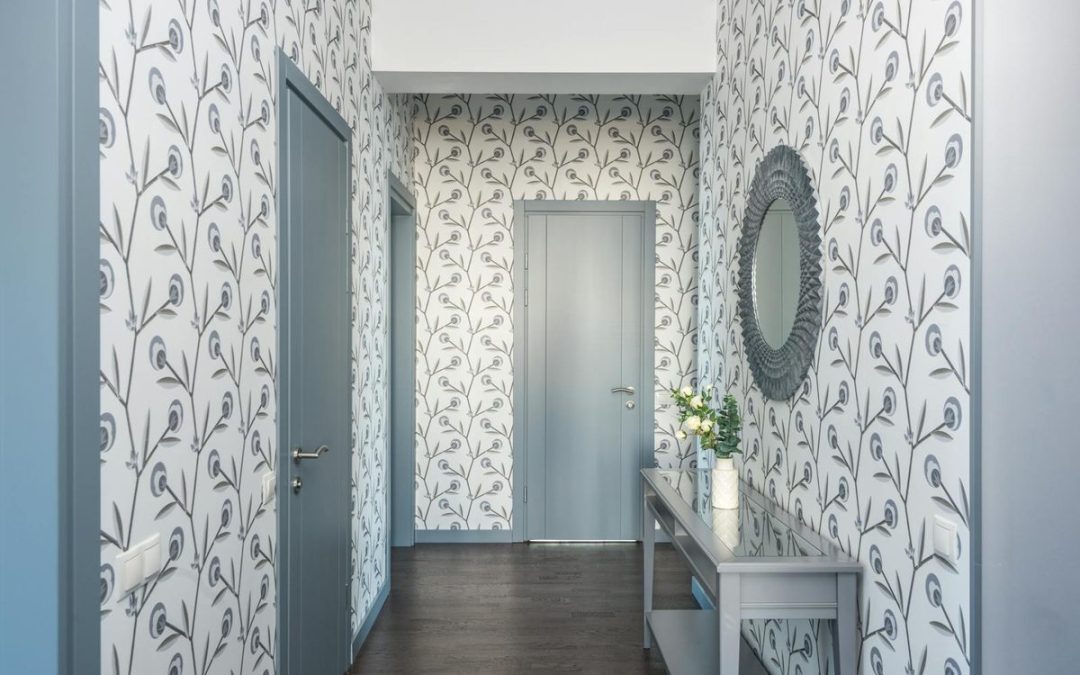
Few materials transform a room the way fine wallcovering does. In luxury interiors across Palm Beach County, grasscloth and designer wallpaper bring depth, texture, and a sense of crafted permanence that paint alone cannot achieve. Yet our region presents a distinct test: proper grasscloth wallpaper installation in South Florida must contend with persistent humidity, salt air, and seasonal swings that can undermine even the most beautiful material. Understanding how these papers behave, and how a professional prepares for them, is the difference between a finish that endures and one that fails within a season.
Why Grasscloth and Designer Wallpaper Elevate Luxury Interiors
Grasscloth is woven from natural fibers such as arrowroot, sisal, jute, and reed, then laminated to a paper or nonwoven backing. The result is a tactile, organic surface that catches light differently across the day, adding warmth and dimension to dining rooms, studies, powder rooms, and primary suites. Designer wallpapers, whether hand-screened, embossed, metallic, or printed on premium substrates, offer pattern and color depth that elevates a space from finished to distinctive.
These materials reward the eye precisely because they are not uniform. Natural grasscloth carries subtle variation in tone and weave from panel to panel, a quality designers prize and homeowners should expect rather than view as a defect. That same natural character, however, makes the material sensitive to its environment, which is why installation method matters so much here.
The Challenges of Humidity for Grasscloth Wallpaper Installation
South Florida humidity affects wallcovering in several specific ways, and a careful grasscloth wallpaper installation accounts for each one:
- Adhesion. Elevated moisture in the air and within wall assemblies can slow adhesive cure and weaken the bond, leading to lifting at edges and corners over time.
- Seam integrity. Natural fibers expand and contract with ambient humidity. Seams that look flawless on installation day can open or curl if the material was not acclimated and hung correctly.
- Mold and mildew. Organic fibers and paper backings are vulnerable to microbial growth when trapped against a damp wall, particularly in bathrooms or on exterior-facing walls prone to condensation.
- Expansion and staining. Many natural grasscloths are water-sensitive. Paste that migrates onto the face, or excess moisture during hanging, can leave permanent staining that cannot be cleaned away.
None of these are reasons to avoid grasscloth in a coastal climate. They are reasons to insist on disciplined preparation and an installer who understands the material.
Proper Wall Preparation and Priming
Durable wallcovering begins long before the first panel goes up. Walls must be clean, sound, smooth, and dry. Existing texture is skim-coated flat, because grasscloth and many designer papers telegraph every imperfection beneath them. Surfaces are then sealed with a quality wallcovering primer.
Primer does more than improve adhesion. The right primer creates a uniform, non-porous base that allows for clean repositioning during hanging and, critically, supports a cleaner removal later. In humid environments, addressing the source of any moisture, repairing leaks, improving ventilation, and confirming the wall is fully dry, is essential before installation. A mildew-resistant primer adds a layer of protection on walls where humidity is a known concern.
Acclimating the Material
Natural grasscloth should rest in the room where it will be installed so it can adjust to the home’s temperature and humidity before hanging. Skipping this step is a common cause of seam problems, because the material may continue to move after it is on the wall.
Professional Installation Technique
Hanging fine wallcovering is a craft. Several techniques separate professional work from the avoidable failures seen in coastal homes:
- Pattern matching. Designer papers are sequenced and matched panel to panel so the repeat reads continuously across the wall, with seams placed thoughtfully relative to corners, windows, and sightlines.
- Railroading grasscloth. Because natural grasscloth varies in shade from roll to roll, installers often shade-balance panels and may reverse-hang alternating strips so any subtle tonal shift blends rather than forms a visible line.
- Seam placement. Seams are positioned to fall where they are least conspicuous and least exposed to moisture, and they are set without overworking the surface.
- Clean handling. With water-sensitive grasscloth, paste is kept off the face entirely and the material is smoothed with tools and pressure suited to delicate fibers rather than aggressive wiping.
The correct adhesive is matched to the specific product and substrate, and booking or paste-the-wall methods are chosen according to the manufacturer’s guidance and the demands of the climate.
Care and Cleaning
Grasscloth and natural wallcoverings are best maintained with gentle, dry methods. Light, regular dusting with a soft brush attachment or a clean dry cloth keeps fibers looking fresh. Most natural materials should not be cleaned with water or liquid products, which can stain or distort the weave. Designer papers vary; some are washable or scrubbable, while others are not, so the manufacturer’s cleaning code should guide care. In humid spaces, steady climate control and good ventilation do more to preserve wallcovering than any cleaning routine.
Removal Without Damaging Walls
When it is time for a change, wallcovering should be removed in a way that protects the wall beneath. Professional removal relies on the soundness of the original preparation, which is one more reason proper priming matters at installation. Depending on the product and adhesive, removal may involve carefully separating a strippable face layer, then softening and clearing any remaining backing and paste without gouging the drywall. Patient technique, appropriate solutions, and protection of trim and flooring allow the surface to be returned to a smooth, paintable, or re-paperable condition, ready for whatever comes next.
If you are considering grasscloth or designer wallpaper for a home in West Palm Beach, Palm Beach Island, Jupiter Island, Manalapan, Gulf Stream, Wellington, Boca Raton, or anywhere in Palm Beach County, we would be glad to discuss your project. To arrange a consultation with Jerome Russo’s Quality Painting & Decorating, please call (561) 585-7506.
Bring This Level of Craft to Your Home
From a single signature room to an entire estate, Jerome Russo’s delivers finishes worthy of South Florida’s finest homes since 1976.
Request a Consultation