
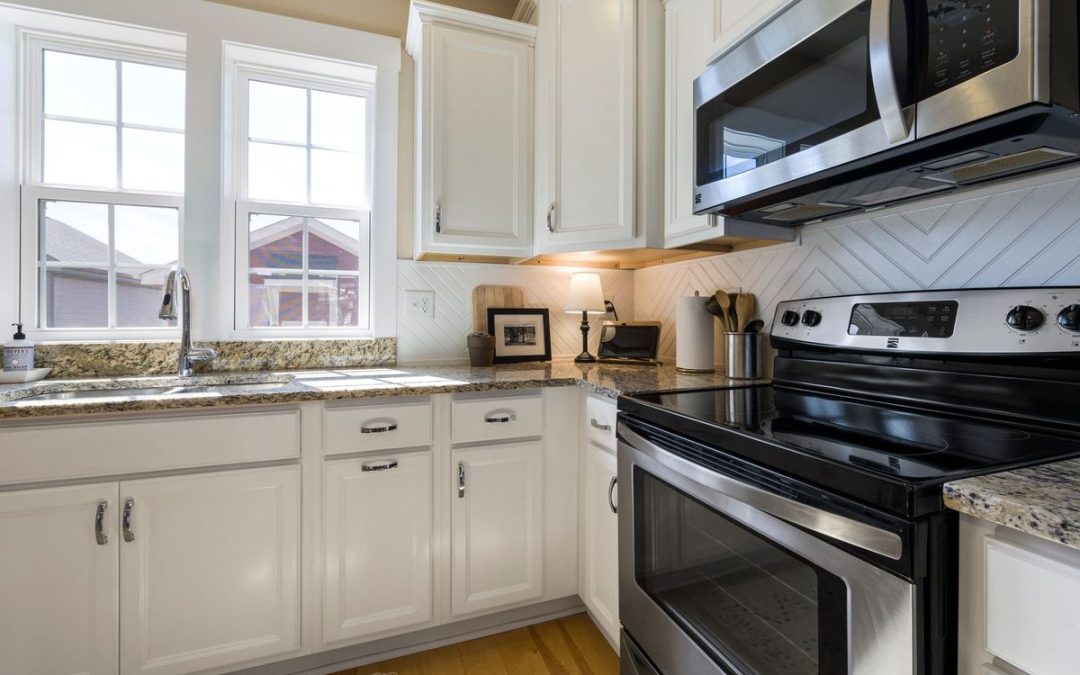
For owners of fine homes across Palm Beach County, the kitchen is often the heart of the residence and one of its most considered investments. When existing cabinetry begins to show its age, the decision between cabinet refinishing and full replacement carries real consequences for budget, timeline, and the finished result. At Jerome Russo’s Quality Painting & Decorating, we have guided clients on Palm Beach Island, Jupiter Island, Manalapan, Gulf Stream, Wellington, and Boca Raton through this choice since 1976. The right answer depends on the condition of your cabinetry, the look you want to achieve, and how the work is executed. Understanding both paths helps you make a confident, informed decision.
When Cabinet Refinishing Makes Sense
Cabinet refinishing is the process of stripping, preparing, and applying a new finish to your existing cabinet boxes, doors, and drawer fronts. It is often the wiser path when the underlying construction is sound and your goal is a transformed appearance rather than a new layout. Several factors point toward refinishing.
- Quality of the existing boxes. Many luxury kitchens were built with solid hardwood frames and well-constructed cabinet boxes. When that craftsmanship is intact, replacing it discards genuine value. Refinishing preserves the structure while renewing the surface.
- Cost. Refinishing typically represents a fraction of the cost of full replacement, because it eliminates demolition, new materials, and the labor of fabrication and installation.
- Time and disruption. A refinishing project keeps your kitchen footprint in place and is generally completed in a shorter window than a full tear-out and rebuild, with less dust and fewer trades coming through the home.
- Sustainability. Keeping well-made cabinetry out of the landfill is the more responsible choice when the boxes remain serviceable. Refinishing extends the life of materials already in your home.
Refinishing is most rewarding when you are content with your kitchen’s current configuration and storage, and you want to refresh color, sheen, and finish quality to a luxury standard.
When Replacement Is the Better Investment
There are situations where new cabinetry is the sounder decision. Refinishing cannot correct structural or layout problems, so replacement deserves serious consideration when:
- The cabinet boxes are damaged by water, warping, or delamination, or were built from low-grade materials that will not hold a fine finish.
- You want to change the kitchen’s layout, add cabinetry, or alter dimensions and door styles in ways that refinishing cannot deliver.
- Hardware, hinges, and drawer mechanisms are failing throughout and the doors themselves are beyond restoration.
In these cases, investing in new cabinetry and then having it professionally finished produces the best long-term outcome. The honest assessment of your existing boxes is the starting point for any sound recommendation.
The Refinishing Process Behind a Flawless Result
A refined finish is the product of disciplined preparation, not shortcuts. The visible difference between an amateur effort and professional cabinet refinishing lies almost entirely in the steps that precede the final coat.
Cleaning and Degreasing
Kitchen surfaces accumulate cooking oils and residue that will compromise adhesion if left in place. Every surface is thoroughly cleaned and degreased before any sanding begins, so the new finish bonds properly.
Sanding and Surface Preparation
Doors and drawer fronts are typically removed, labeled, and prepared off the boxes. Surfaces are sanded to create the proper profile, imperfections are filled, and edges are detailed by hand. This stage determines how smooth and uniform the final result will feel.
Priming
A high-quality bonding primer creates the foundation for durability and color accuracy. Proper priming is what allows the topcoat to resist the daily wear a working kitchen demands.
Spray Versus Brush Application
While brushwork has its place in certain details, a sprayed finish is what gives luxury cabinetry its seamless, factory-smooth surface with no brush marks or stippling. For high-gloss and lacquer finishes in particular, professional spray application is the only way to achieve a truly even, mirror-like result.
Finishes and Colors That Suit Luxury Kitchens
The finish you choose sets the tone for the entire room. Several options are especially well suited to fine homes.
- High-gloss lacquer. A reflective, glass-smooth finish that conveys a contemporary, polished sensibility and amplifies natural light.
- Satin and semi-gloss enamels. Versatile, durable finishes that read as quietly elegant and wear gracefully over time.
- Soft, timeless color palettes. Warm whites, muted greens, deep blues, and charcoal tones remain enduring choices, often paired with a contrasting island for depth.
The character of South Florida light influences how each color and sheen reads throughout the day, which is why selecting finishes in the context of your own kitchen matters.
Why Professional Spray Finishing Matters
The durability and beauty of refinished cabinetry depend on controlled application. Professional spray finishing requires proper containment, dust management, ventilation, and the experience to lay down even coats at the correct film thickness. Done well, the result is a surface that looks built that way and stands up to years of daily use. As a licensed and insured, BBB A+ accredited firm, we bring the discipline and craftsmanship that fine finishes require.
If you are weighing cabinet refinishing against replacement for your kitchen, we would welcome the opportunity to assess your cabinetry and discuss the options best suited to your home. To arrange a consultation with Jerome Russo’s Quality Painting & Decorating, please call us at (561) 585-7506.
Bring This Level of Craft to Your Home
From a single signature room to an entire estate, Jerome Russo’s delivers finishes worthy of South Florida’s finest homes since 1976.
Request a Consultation