
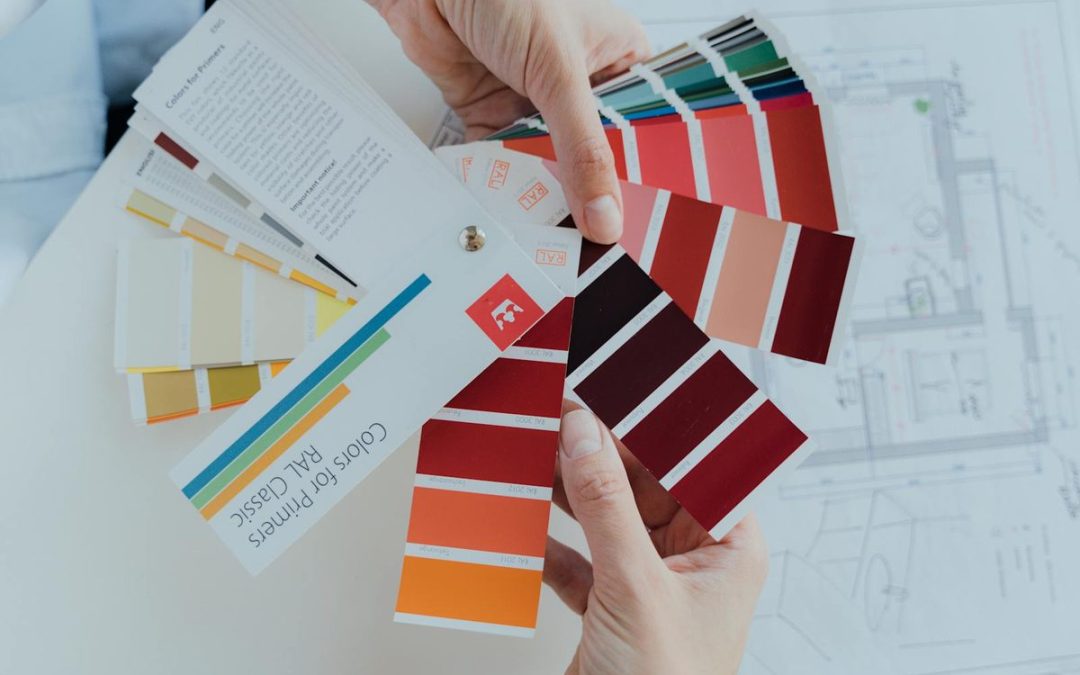
When a residential project reaches the painting and finishing stage, the success of the work often depends on something that happens long before the first coat is applied: the relationship between the painting contractor and the design team. Working with an interior designer on paint colors is rarely a matter of simply matching a chip to a wall. It is a collaborative process that involves reading a detailed specification, translating intent into application, and protecting the designer’s vision through every trade that touches the space. At Jerome Russo’s Quality Painting & Decorating, we have spent decades alongside interior designers, architects, and builders across Palm Beach County, and we have learned that the best outcomes come from a painting partner who understands the design process as well as the brush.
How a Great Painting Partner Collaborates With the Design Team
A capable painting firm does not see itself as the last contractor on site. It sees itself as part of the design team. That means showing up early enough to understand the overall concept, asking the right questions before mobilizing, and offering practical guidance on how a chosen color or finish will behave on the actual substrate. Designers and architects work in renderings, mood boards, and sample boards; the painter’s role is to make those references real on plaster, wood, and metal under the conditions of a finished home.
Good collaboration also means respecting the chain of decision-making. The designer owns the aesthetic intent, the architect owns the architectural detailing, and the builder coordinates the schedule. A painting partner who communicates clearly with each of them, without overstepping, keeps the project moving and keeps everyone aligned on the same end result.
Reading and Executing a Designer’s Specification
Working with an interior designer on paint colors usually begins with a specification, sometimes called a finish schedule. This document lists each room, each surface, the exact product and color, the sheen, and any special treatment. A professional painter reads this schedule the way a builder reads architectural drawings: carefully, completely, and with an eye for anything that needs clarification before work starts.
Execution is where experience shows. A schedule may call for a single color across several rooms that receive very different daylight, or it may specify a ceiling tone meant to read as a subtle shift rather than a contrast. The painter’s job is to honor the document precisely while flagging anything that could compromise the designer’s intent, such as a sheen that will telegraph drywall imperfections or a deep color that requires a tinted primer to achieve full coverage.
Large-Format Samples and Mock-Ups Under South Florida Light
A two-inch paint chip tells you very little about how a color will live on a wall. This is why large-format samples and on-site mock-ups matter so much, particularly here. South Florida light is intense, bright, and constantly changing, and it reflects off water, pale paving, and tropical foliage in ways that can shift a color noticeably from morning to afternoon.
- Large painted sample boards, typically at least two feet square, let the designer and homeowner evaluate a color at a realistic scale.
- Samples applied directly in the room, on more than one wall, reveal how the color responds to direct sun, shade, and artificial light.
- Viewing samples at different times of day prevents the common surprise of a color that looked right at noon but turns cool or muddy by evening.
- Mock-ups of specialty finishes confirm texture, sheen, and depth before committing to an entire room.
This step protects everyone. It gives the designer confidence that the approved color is the color that will be delivered, and it gives the homeowner a chance to confirm the choice before the full application begins.
Selecting Sheen and Finish by Room
Color is only part of the specification. Sheen is what determines how a surface wears, cleans, and catches light, and the right choice varies from room to room. A painting partner experienced with luxury interiors helps the design team match sheen to function without compromising the look.
- Flat and matte finishes hide surface imperfections and suit ceilings and formal living spaces where a soft, light-absorbing look is desired.
- Eggshell and satin finishes offer a gentle glow and easier cleaning, making them well suited to bedrooms, hallways, and family rooms.
- Semi-gloss and gloss finishes stand up to moisture and frequent contact, which is why they are common on trim, doors, cabinetry, and in kitchens and baths.
- In coastal homes, washability and durability take on added importance given humidity and the salt-laden air.
Coordinating Decorative Finishes With the Design Vision
Many high-end interiors call for more than paint. Venetian plaster, lime wash, metallic and gold leaf treatments, and other decorative finishes bring depth and craftsmanship to a space, but they demand a higher level of skill and closer coordination with the designer. These finishes are built up in layers, and the final appearance depends on technique, lighting, and the surrounding palette.
When a designer specifies a decorative finish, the painting partner should produce sample panels that capture the intended sheen, movement, and tone, then refine them until they align with the design vision. Polished Venetian plaster, a soft chalky lime wash, and the warm reflectivity of gold leaf each behave differently, and each must be considered in the context of the room’s light and adjacent surfaces. Getting these samples approved in advance is essential, because decorative work is difficult and costly to redo once installed.
Sequencing and Scheduling Around Other Trades
On an active job site, the painter rarely works in isolation. Coordinating with carpenters, electricians, tile setters, and cabinet installers is part of protecting both the finish and the schedule. Painting that happens too early can be damaged by later trades; painting that happens too late can delay the entire project.
An experienced firm plans its work around the broader sequence, identifying when to prime, when to apply finish coats, and when to return for touch-ups after other installations are complete. This coordination keeps the project on track for the builder and ensures the designer’s finishes arrive at the end of the process in pristine condition.
Communication That Protects the Designer’s Intent
Ultimately, every part of this process rests on communication. The painting partner who asks before assuming, documents approvals, raises concerns early, and keeps the design team informed is the one who delivers a result that matches the original vision. When the painter, designer, architect, and builder are genuinely aligned, the finished home reflects exactly what the design team set out to create.
If you are an interior designer, architect, or builder working on a residence in Palm Beach Island, Jupiter Island, Manalapan, Gulf Stream, Wellington, Boca Raton, or anywhere in Palm Beach County, we would welcome the opportunity to collaborate. To discuss your project or arrange a consultation, please call Jerome Russo’s Quality Painting & Decorating at (561) 585-7506.
Bring This Level of Craft to Your Home
From a single signature room to an entire estate, Jerome Russo’s delivers finishes worthy of South Florida’s finest homes since 1976.
Request a Consultation